








Eight-day cultural celebration by NIFT Gandhinagar brings together nearly 95 artisans, showcases traditional craftsmanship and connects India’s heritage with contemporary design and technology
Ahmedabad: The third edition of CHHAAP@Sabarmati 2026, organised by the National Institute of Fashion Technology (NIFT), Gandhinagar, concluded at the Sabarmati Riverfront Event Centre on Friday, showcasing India’s traditional craftsmanship, handloom heritage and contemporary design innovations.
Held from October 23 to 30, the eight-day festival was organised around the theme ‘Swarnim Bharat – Virasat aur Vikas | Rooted in Heritage. Reimagined for Tomorrow’. Nearly 95 artisans and master craftspeople from across the country participated in the event, which brought together designers, students, academicians and craft enthusiasts.
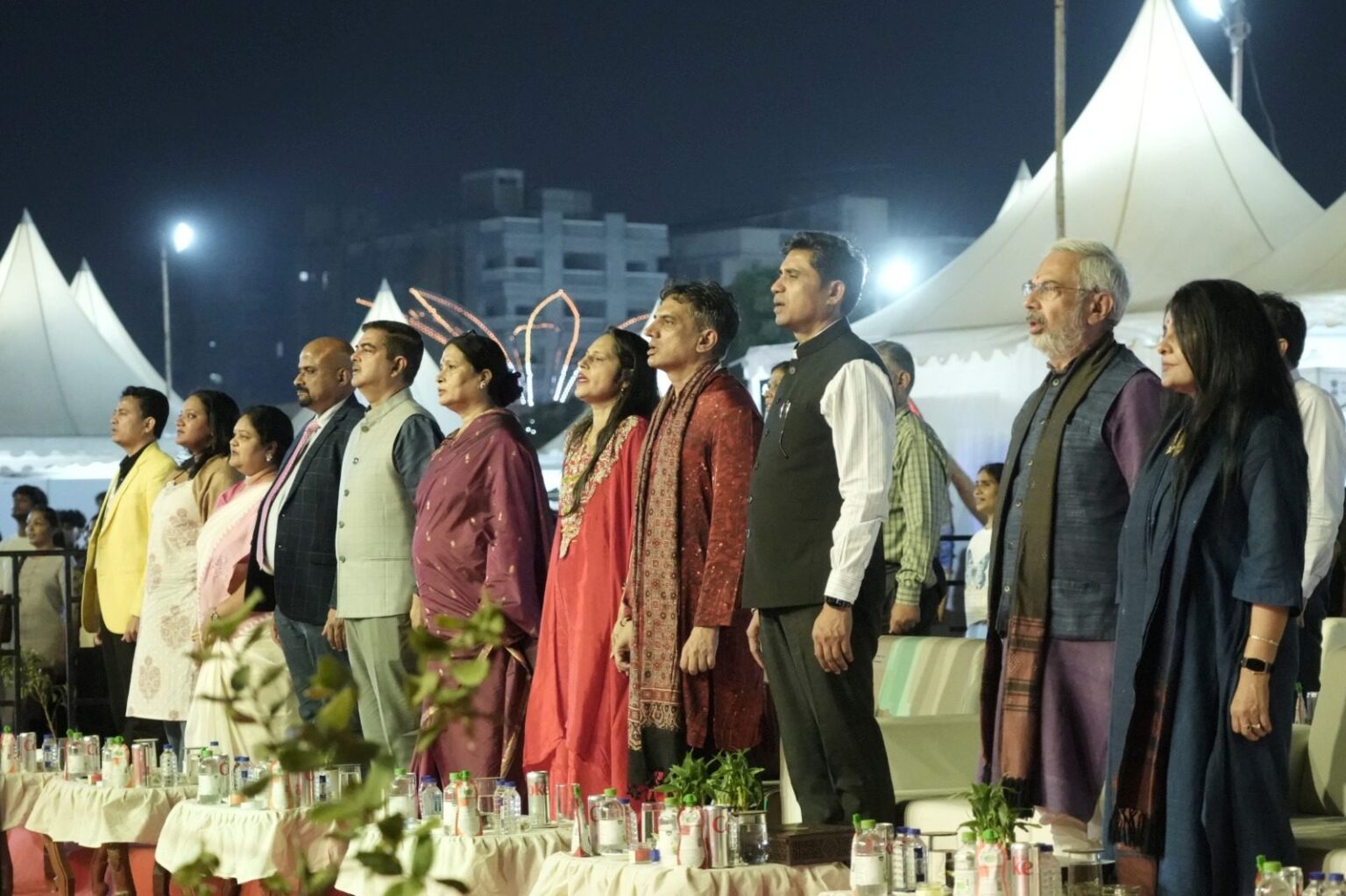
The valedictory ceremony was attended by Inspector General Tekur Sashi Kumar, Commander, Coast Guard Region (North-West); Ahmedabad Municipal Commissioner Banchhanidhi Pani; and Kartikeya V Sarabhai, Founder and Director of the Centre for Environment Education.
Conceptualised under the leadership of NIFT Gandhinagar Director Prof Dr Sameer Sood, CHHAAP 3.0 featured exhibitions, live craft demonstrations, workshops, masterclasses, panel discussions and cultural performances.
Artisans report encouraging sales
The exhibition and sale received an encouraging response from visitors, with several artisans reporting strong sales. Nearly 10,000 specially designed bags prepared by NIFT Gandhinagar students for buyers were taken by visitors within the first two days. Some participating artisans also sold their entire stock during the initial days.
The event provided craftspeople an opportunity to interact directly with customers, explain the stories behind their creations and introduce traditional products to new audiences.
Discussions focus on preserving traditional crafts
A special interaction with Amrit Raj, Development Commissioner for Handlooms and Handicrafts, focused on Geographical Indications (GI), Indian Knowledge Systems and the need to protect traditional knowledge while creating better opportunities for artisan communities.
Discussions on Khadi explored its relevance in contemporary fashion. Ashish Satyavrat Sahu spoke about initiatives to popularise Khadi, while Himanshu Sahni, Co-founder of fashion label 11.11, highlighted the importance of working closely with artisans and giving traditional textiles a contemporary identity.
The discussion also highlighted the international visibility of the brand’s Tangaliya shirt, worn by Hollywood actor Brad Pitt. Prof Dr Sudha Dhingra, Director, COEK, shared insights on strengthening Khadi’s relevance in today’s fashion landscape.
Digital technology meets traditional craftsmanship
One of the major attractions was Kala Darshan, an immersive virtual reality experience that allowed visitors to explore India’s diverse craft traditions through an interactive digital map, visual storytelling, spatial audio and three-dimensional environments.
The initiative received appreciation from Amrit Raj, who also shared the possibility of showcasing the experience at the National Crafts Museum in New Delhi. Another initiative, Kala Vaarta – Craft Conversations, brought together nearly 100 students from design institutions in Ahmedabad for discussions with master artisans on the future of Indian crafts, artificial intelligence, contemporary design and the preservation of traditional skills.
Artisans felicitated at valedictory ceremony
The concluding ceremony featured the CHHAAP Awards and special felicitations recognising artisans and contributors, including craftspeople honoured with Padma Shri and National Awards, for their contributions to India’s traditional art and craft heritage.
The evening also featured Kala Sandhya, with musical and dance performances by NIFT students, followed by a fireworks display. The Indian Air Force Band’s performance during the opening ceremony was another highlight of the festival.
The organisers acknowledged the support of the Development Commissioner (Handicrafts), Ministry of Textiles, Development Commissioner for Handlooms, iNDEXTb, Government of Gujarat, and several banking institutions. The South Western Air Command and Indian Air Force, Ahmedabad Police and Ahmedabad Municipal Corporation also extended their cooperation. With its conclusion, CHHAAP 3.0 highlighted the importance of connecting traditional artisans with contemporary markets and younger generations, while exploring how design and technology can help preserve India’s living craft heritage.